

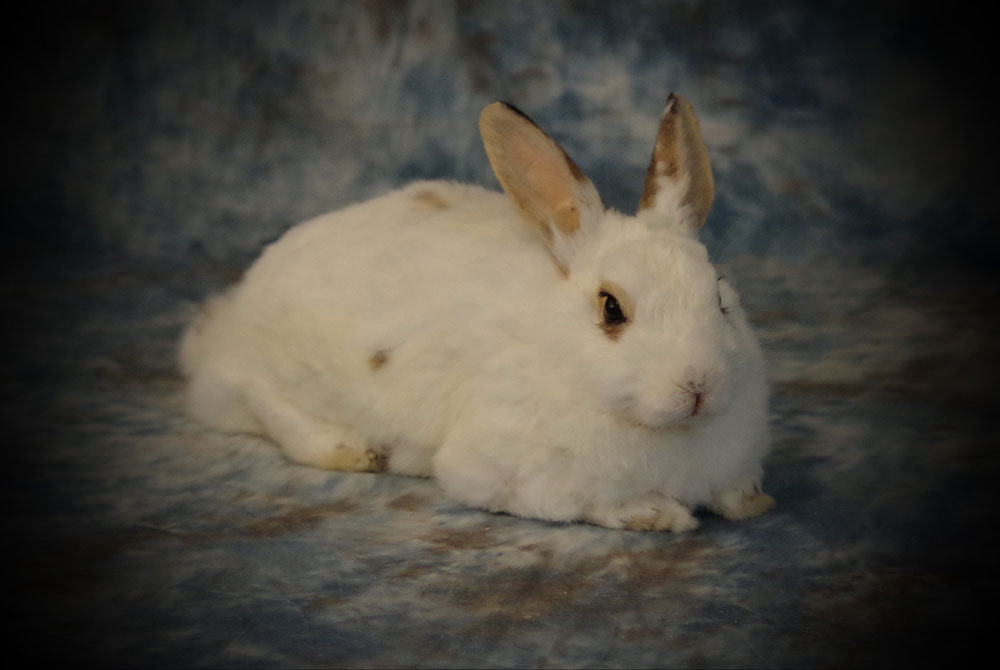
What Does a Rabbit Taxidermy Cost Chart Show?
October 28, 2025 8:46 pmWhen you start researching pet preservation options, one of the first tools you’ll likely encounter is a rabbit taxidermy cost chart. These detailed charts outline pricing based on weight, size, and custom add-ons, helping pet owners plan emotionally and financially for preservation. Understanding how to read one can help you make a confident, informed choice when deciding to preserve your beloved rabbit.
Interpreting Per-Pound vs. Flat Rate Pricing
Most rabbit taxidermy cost charts display two common pricing structures: per-pound rates and flat rate options. Each has its own purpose, and understanding the difference is the first step toward calculating your budget accurately.
Per-pound pricing is the most common model for small mammals like rabbits. The logic is straightforward: the heavier your pet, the more materials, time, and precision the taxidermist must invest. A rabbit weighing 2 pounds may take half the amount of clay, resin, and time as one that weighs 5 pounds, but both still require detailed sculpting and fine handwork.
Here’s an example of what a per-pound rate section might look like on a rabbit taxidermy cost chart:
| Weight (lbs) | Rate per Pound | Estimated Base Cost |
|---|---|---|
| 1.0 – 2.0 | $250 | $250 – $500 |
| 2.1 – 4.0 | $225 | $470 – $900 |
| 4.1 – 6.0 | $200 | $820 – $1,200 |
The per-pound rate usually decreases slightly as size increases because larger animals can be proportionally more efficient to preserve. Still, the overall total is higher for heavier specimens.
Flat rate pricing, by contrast, is used when the rabbit falls within a “standard” weight category, usually around 3 to 5 pounds. Studios offering flat rates do so for simplicity. They may advertise, for instance, “Standard rabbit preservation: $850,” covering all work from preparation to finishing. This helps clients know the full cost upfront, but it may not reflect nuances like custom poses, seasonal surcharges, or premium materials.
Example Calculations for 2- to 5-Pound Rabbits
Let’s look at an example using a per-pound system:
- A 2-pound rabbit at $250 per pound = $500 base cost
- A 3.5-pound rabbit at $225 per pound = $788 base cost
- A 5-pound rabbit at $200 per pound = $1,000 base cost
If the studio charges a small specimen minimum (covered in the next section), the smallest rabbits may have a slightly higher starting cost than the simple rate suggests. It’s important to confirm whether the chart you’re reading uses exact weight or rounded increments; some studios round up to the nearest pound to account for prep time.
Minimum Charges for Petite and Standard Rabbits
Every taxidermy studio sets a minimum charge to ensure the preservation process covers essential materials and time. For very small rabbits, the cost per pound doesn’t always reflect the actual work involved. A 1-pound dwarf rabbit, for example, still requires precise modeling, tanning, and mounting steps identical to those for a 5-pound pet.
That’s why most rabbit taxidermy cost charts include a small specimen minimum, often shown as a separate line or note below the main per-pound section.
| Specimen Type | Minimum Charge | Applies To |
|---|---|---|
| Dwarf / Baby Rabbit | $500 | Under 2 lbs |
| Standard Rabbit | $850 | 2 – 5 lbs |
| Large Rabbit | Per-pound rate | Over 5 lbs |
This policy ensures fairness to both the studio and the client. The minimum covers fixed costs like form preparation, clay work, finishing, and drying time. If you only look at the per-pound rate, you might assume a 1-pound rabbit at $250 per pound would cost $250, but the minimum would actually raise the total to $500.
For standard-sized rabbits, the minimum is usually the same as the average price most pet owners pay. That makes this group a good benchmark for estimating realistic expenses.
Example Calculations for 2- to 5-Pound Rabbits (Including Minimums)
Let’s revisit the earlier examples with minimums included:
- 1.5-pound rabbit → $250 per pound = $375 → Minimum charge applies → $500 total
- 3-pound rabbit → $225 per pound = $675 total (above minimum)
- 5-pound rabbit → $200 per pound = $1,000 total (above minimum)
In this format, the chart helps you see whether your pet’s weight puts you below or above the small specimen threshold. That’s vital for budgeting before calling a preservation studio.
Charting Add-On Fees and Seasonal Surcharges
A complete rabbit taxidermy cost chart doesn’t just list weight-based prices. It also itemizes add-on fees and surcharges, extra charges that reflect optional upgrades or time-sensitive work. Add-on columns allow you to see which customizations or special handling requests will affect the final total.
Here’s a simplified sample add-on column layout:
| Add-On Type | Description | Typical Fee |
|---|---|---|
| Custom Pose | Specific body positioning beyond standard rest pose | +$75 – $150 |
| Open Eyes | Detailed hand-painted acrylic eyes | +$50 |
| Open Mouth / Teeth Display | Lifelike oral sculpting and finish | +$75 |
| Special Coloration | Custom tinting or fur tone restoration | +$50 – $100 |
| Rush Service (Peak Season) | Shortened turnaround time | +15% of total |
Many clients don’t initially realize how much artistry is involved in pet taxidermy. These add-ons allow the taxidermist to recreate specific expressions, poses, or natural details that capture your pet’s personality. They’re not mandatory, but they often make the final mount feel more true-to-life.
Custom Coloration and Eye Options
For rabbits with unique markings, like spotted, shaded, or rare color mixes, custom coloration helps replicate their exact fur tone. This process may involve airbrushing, pigment matching, or careful hand-dyeing to restore natural depth. While this can add $50 to $100 to the total, it’s worth considering if your rabbit’s appearance was a big part of their charm.
Eye options are another common upgrade. Standard glass or acrylic eyes are included in most packages, but you can request realistic, hand-painted ones that match your rabbit’s exact shade, like amber, blue-gray, or dark brown. Custom eyes often cost an extra $50 but provide a noticeably more lifelike result.
Peak Season vs. Off-Season Rate Variations
Because pet preservation is an emotional decision often made during a loss, studios may experience busy seasons. Peak seasons usually occur during late fall and winter when more families choose to memorialize pets lost in colder months. Some studios list seasonal surcharges or rush fees during these periods to cover increased demand.
For example, a rabbit that would cost $850 during the off-season might rise to $950 during peak months due to limited studio capacity or expedited turnaround requests. Conversely, booking during slower periods, such as spring and early summer, can sometimes save you 10–15%.
These variations are usually small compared to the total cost, but they’re important for families planning ahead. Some pet owners even pre-schedule preservation for older rabbits as part of their long-term care plan, locking in current rates before seasonal adjustments occur.
Reading the Complete Rabbit Taxidermy Cost Chart
When viewed as a whole, the rabbit taxidermy cost chart gives you a transparent overview of pricing from start to finish. Here’s an example layout combining all elements:
| Weight (lbs) | Base Rate | Minimum Charge | Add-On Potential | Notes |
|---|---|---|---|---|
| 1.0 – 1.9 | $250/lb | $500 | +$50 – $150 | Small specimen minimum applies |
| 2.0 – 3.9 | $225/lb | N/A | +$50 – $150 | Standard rabbit range |
| 4.0 – 5.9 | $200/lb | N/A | +$75 – $200 | Common large breeds |
| 6.0+ | $175/lb | N/A | +$100 – $250 | Custom quote recommended |
Below that main grid, a chart might also include a secondary section for optional services:
| Add-On or Adjustment | Rate / Fee |
|---|---|
| Custom Color or Pattern | +$75 |
| Open Eyes / Mouth | +$50 each |
| Rush or Peak Season | +15% total |
| Display Base or Glass Dome | +$100 – $250 |
Once you understand how to read each line, you can use the chart to make a realistic estimate. Let’s walk through a full example.
Full Estimate Example
Suppose you have a 3.5-pound rabbit that passed in late October, and you’d like a resting pose with open eyes and natural fur tinting. Using the example chart:
- Base rate: 3.5 lbs × $225/lb = $788
- Add-ons: Open eyes (+$50) + Color matching (+$75) = $125
- Seasonal surcharge (15% peak): ($788 + $125) × 0.15 = $137
- Estimated total = $1,050
That estimate helps you plan your budget and decide whether any adjustments are needed, perhaps choosing the off-season or skipping optional upgrades.
Why Cost Charts Are Useful for Budget Planning
Pet taxidermy isn’t a one-size-fits-all service. Each animal is unique, and the work required varies with size, coat type, and pose complexity. A rabbit taxidermy cost chart helps families visualize this range, ensuring that expectations and finances align.
- Transparency: You can see where each dollar goes, from base preparation to artistic detailing.
- Comparison: Different studios can be compared easily when they publish their charts, allowing you to see if one includes add-ons that others charge separately for.
- Planning: Knowing the likely total helps avoid emotional stress during a difficult time. You can prepare funds, time, and expectations before committing.
When you view the cost chart as a planning tool rather than a final quote, it helps you make a calm, informed decision rooted in understanding and compassion.
Emotional Context: More Than a Price Tag
It’s important to remember that pet preservation is both an art and a memorial process. A professional taxidermy studio isn’t simply charging for materials; they’re providing expertise, artistry, and empathy during one of the most emotional experiences a pet owner can face.
Rabbits in particular require delicate work. Their fine fur, soft tissue, and small features demand years of experience to preserve naturally. A compassionate, full-time studio ensures your pet receives gentle handling and lifelike accuracy, offering peace of mind during grief.
A cost chart helps you see that behind every line item is a step toward preserving memories, including each stroke of airbrush, each carefully set eye, and each layer of shaping that brings your beloved companion back to life in form.
Choosing a Studio: What to Look For
When evaluating studios based on their cost charts, focus not only on numbers but also on experience, reputation, and transparency. A qualified, full-time studio should have:
- Consistent, clearly explained pricing. Hidden fees or vague terms are red flags.
- Years of experience with small pets. Rabbits are not the same as wildlife mounts; household pets require specialized preservation methods.
- Compassionate communication. The best studios answer questions patiently and guide you through each step.
- Ethical standards. Reputable studios handle your pet with care and dignity from arrival to completion.
Animal Family Pet Preservation, for example, has been specializing in lifelike pet preservation since 1993. Our experienced team understands both the technical and emotional sides of the process. Clients consistently mention how reassuring it feels to speak with our staff during such a sensitive time.
Planning for the Best Outcome
Once you’ve read and understood the chart, it’s wise to reach out directly to your chosen studio for an exact quote. Each rabbit’s condition, fur density, and pose preferences can affect the total slightly, and a personal consultation ensures accuracy.
You can also discuss timeline expectations. Preservation may take several months, particularly during peak periods when curing and drying times are longer. Understanding these factors early helps you plan your memorial timeline and choose whether to request rush service.
Some families even discuss preservation before their rabbit passes away. Pre-planning allows them to handle logistics calmly and ensures immediate preservation after passing, leading to better results.
Contact Us Today
If you’ve read through this and find comfort in the idea of preserving your beloved rabbit, now is the time to take the next step. Animal Family Pet Preservation is a full-time, fully staffed studio that has specialized in pet preservation since 1993. Our compassionate approach, attention to detail, and decades of experience make us one of the most trusted names in the field.
Whether you are exploring a rabbit taxidermy cost chart for the first time or are ready to begin the process, our caring professionals are ready to help. Once you call, you’ll feel reassured knowing your pet will be handled with love, skill, and respect.
Don’t just browse; contact us today. Our team will walk you through each step of the preservation process, help you understand your exact costs, and ensure that your rabbit’s memory lives on beautifully.
Categorised in: Deceased Pet Options
This post was written by Animal Family Team

Comments are closed here.