

Is Pet Taxidermy the Same as Freeze-Drying? What’s Actually Different
December 1, 2024 6:13 pmWhen you are grieving a pet and researching how to keep them close, the terminology can blur together fast. One of the most common questions owners ask is simple but important: is pet taxidermy the same as freeze-drying? The short answer is no. Both are respectful ways to preserve a companion, but they are two distinct processes with different techniques and different results. Understanding how they actually differ makes the decision far less confusing, and you can always explore our full range of pet preservation services as you weigh your options.
Is Pet Taxidermy the Same as Freeze-Drying?
No, they are not the same. Taxidermy preserves the treated skin and arranges it over a sculpted form, while freeze-drying preserves the entire body by slowly removing moisture. Both aim to create a lasting, lifelike tribute, but the path each takes to get there is completely different. People often use the words interchangeably because both fall under the umbrella of preservation, yet the techniques, the timeline, and the final feel of each result set them apart.
What Is Pet Taxidermy?
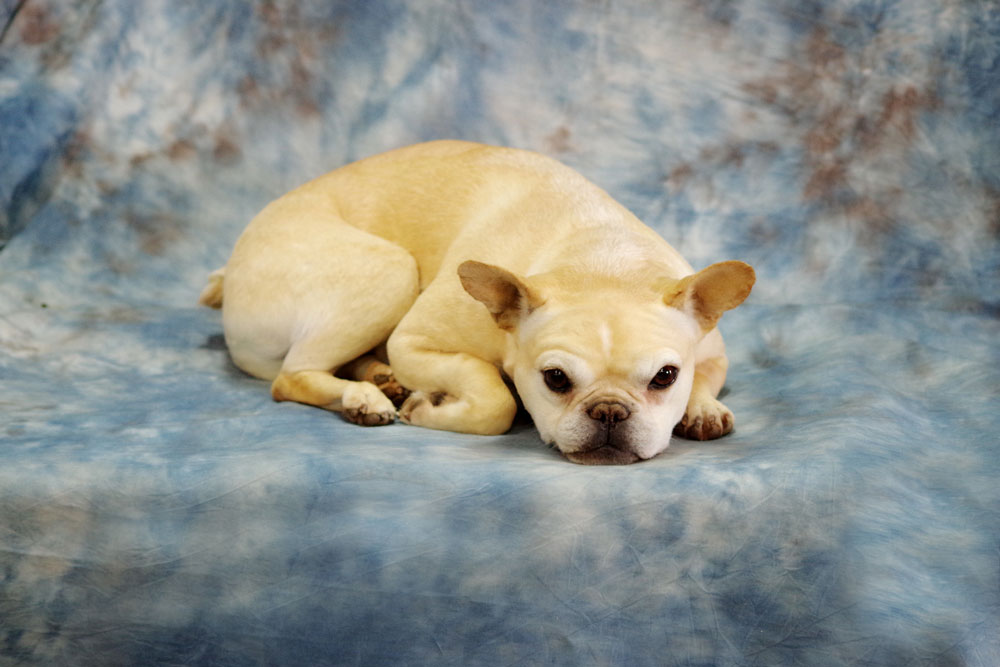
Pet taxidermy is the art and science of preserving and reconstructing a pet’s likeness in a lifelike pose. The skin is carefully removed, tanned to prevent decay, and mounted over a custom form built to match the pet’s anatomy. The word itself comes from the Greek “taxis” (arrangement) and “derma” (skin), and as Encyclopaedia Britannica explains, the craft has been refined over centuries into a detailed art form.
The Pet Taxidermy Process
- Skinning and tanning. The skin is removed and treated so the fur stays intact and resistant to deterioration.
- Creating the form. A custom mannequin is sculpted to replicate the pet’s size, breed, and posture.
- Reassembly. The preserved skin is mounted onto the form, with glass eyes and fine detailing added for realism.
Because a skilled artist shapes the pose, taxidermy offers a high degree of control over expression and posture. You can see this craft in more detail on our pet taxidermy page.
What Is Freeze-Drying?
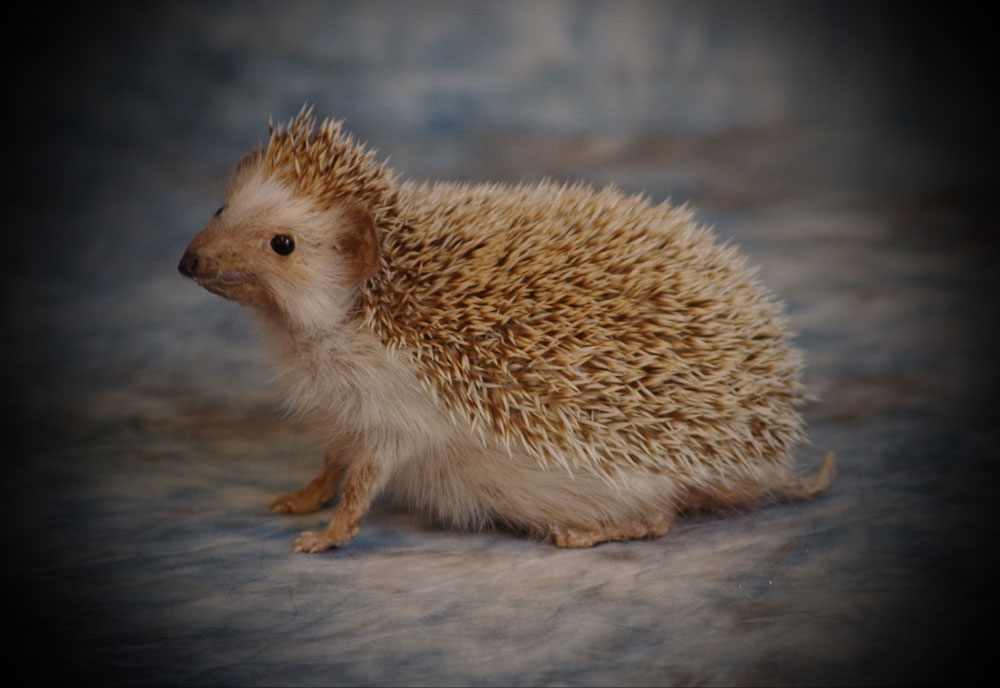
Freeze-drying preserves the pet’s whole body rather than just the skin. The body is frozen and gently posed, then placed in a vacuum chamber where moisture is drawn out over weeks or months while the natural shape and features remain in place. Nothing is rebuilt over a form, because the actual body is kept intact.
The Freeze-Drying Process
- Initial preparation. The pet is carefully positioned in the desired pose before drying begins.
- Freeze-drying. The body is frozen and a vacuum removes moisture slowly, preserving the physical form and fur.
- Detail work. Minor grooming and cosmetic touch-ups complete the look.
Freeze-drying tends to retain very fine natural details, which is why it is especially popular for smaller pets.
The Core Difference Between the Two Methods
The single biggest distinction is what gets preserved. Taxidermy keeps the treated skin over a sculpted form, while freeze-drying keeps the entire body. That one difference shapes everything else, from how the result looks to how it should be cared for. The table below sums it up:
| Factor | Pet Taxidermy | Freeze-Drying |
|---|---|---|
| What is preserved | Treated skin on a form | The entire body |
| Technique | Skin removed, form sculpted, reassembled | Moisture removed by sublimation, body intact |
| Pose control | High, artist shaped | Set before drying, natural |
| Durability | Robust in open display | Best kept dry and enclosed |
| Timeline | Weeks to a few months | Often several months |
Is Pet Taxidermy the Same as Freeze-Drying in the Final Look?
Not exactly. Taxidermy allows an artist to shape a specific, expressive pose, so the result can be styled to reflect your pet’s personality. Freeze-drying retains the pet’s actual body and fine features, often producing a strikingly natural appearance, especially for small animals. Neither is better in every case. They simply offer two different kinds of likeness.
Why People Confuse the Two
The mix-up is understandable. Both methods are referred to as preservation, both keep the fur, and both are designed to look lifelike. A few persistent misconceptions add to the confusion.
“Freeze-Dried Pets Look Artificial”
This comes from poorly executed work. Done by experienced professionals, freeze-dried pets can look remarkably natural, even if they do not carry the same artistic posing as taxidermy.
“Taxidermy Is Only for Wild Animals”
Many associate taxidermy with hunting trophies, but it has long been a respected way to honor companion pets with a loving, lifelike tribute.
“Preserving a Pet Is Morbid”
For many families, preservation is the opposite of morbid. It is a way to keep a cherished companion present and to celebrate the bond they shared.
Which Method Should You Choose?
Now that the difference is clear, the right choice comes down to what you want from the result. If you would like a deeper, side by side comparison to help you decide, our guide on pet taxidermy vs freeze-drying and which is best for you walks through the trade-offs. If you would rather see every available option in one place, our overview of pet preservation methods covers taxidermy, freeze-drying, skeletal articulation, pelts, and more. And if longevity is your main concern, you can read about how long a freeze-dried pet lasts.
Does the Size and Type of Pet Affect the Choice?
The animal itself often points toward one method or the other. Freeze-drying is especially popular for smaller companions such as cats, rabbits, birds, and pocket pets, because their size suits the chamber process well and the natural detail comes through beautifully. Larger dogs can be freeze-dried too, though the process takes longer and the cost rises with weight. Taxidermy, by contrast, scales more flexibly across sizes since the form is custom built, which is one reason it remains a strong choice for bigger pets. Coat type, the condition of the body at the time of preservation, and the pose you have in mind can all influence which approach gives the most satisfying result. This is exactly the kind of detail our team is glad to talk through with you before anything begins.
How Each Method Holds Up Over Time
Because the two methods preserve different things, they also age differently and call for slightly different care. Knowing this ahead of time helps you pick an option that fits your home and how you plan to display your pet.
- Taxidermy mounts are generally robust. The tanned skin over a stable form holds up well in open display, though it is still best to keep them out of direct sunlight and away from excess moisture.
- Freeze-dried pets retain the full body, which makes them a little more sensitive to humidity and temperature swings. They tend to last longest in a dry, stable spot, and many owners prefer an enclosed display case.
With reasonable care, both methods can last for many years, giving you a lasting tribute to return to whenever you want to feel your companion close. Keeping either one out of damp basements, bathrooms, or sunny windowsills goes a long way toward protecting it for the long term.
Other Ways to Honor Your Pet
If neither full-body method feels quite right, there are gentler or simpler alternatives worth considering. A tanned hide kept through our pet pelts service offers a soft, touchable keepsake, while a cleaned and reassembled skeleton through pet skeleton preservation and articulation creates a distinctive standing tribute. For families who prefer a memorial of ashes instead, our pet cremation service covers both individual and communal options. Any of these can stand on its own or sit alongside a preserved pet.
Frequently Asked Questions
Is pet taxidermy the same as freeze-drying?
No. Taxidermy preserves the treated skin over a sculpted form, while freeze-drying preserves the whole body by removing moisture. Both create a lifelike tribute, but they use very different techniques.
Is freeze-drying a type of taxidermy?
Freeze-drying is often grouped under the broad idea of preservation, but it is technically a separate method. Traditional taxidermy rebuilds the pet over a form, while freeze-drying keeps the original body intact.
Which looks more realistic, taxidermy or freeze-drying?
Both can look very lifelike when done well. Freeze-drying often retains finer natural detail, especially for small pets, while taxidermy gives an artist more control over pose and expression.
Is one method cheaper than the other?
Costs vary with the size of your pet and the work involved. Taxidermy is frequently a bit more affordable, while freeze-drying can cost more because of the lengthy chamber process.
Can both methods be used on any pet?
Most companion animals can be preserved with either method, though freeze-drying is especially well suited to smaller pets. The best fit depends on the size and species of your pet.
Compassionate Help With Your Decision
Choosing how to honor your pet is deeply personal, and you do not have to figure it out alone. With more than three decades of experience, our team treats every companion with dignity and explains each option clearly. When you are ready, talk with our caring pet preservation specialists and we will answer your questions with patience. You are also welcome to explore our complete pet preservation and taxidermy services to see everything we offer.
Categorised in: Pet Preservation
This post was written by Animal Family Team

Comments are closed here.