

What Are the Different Pet Preservation Methods? A Complete Guide
June 26, 2025 5:58 pmLosing a companion animal can feel as heavy as losing any member of the family, and many owners look for a way to keep their pet physically close afterward. Choosing among the available pet preservation methods is a deeply personal decision, and understanding how each one works makes that choice far less overwhelming. This guide walks through the main options side by side, from traditional taxidermy to freeze-drying and beyond, so you can see how they differ in process, appearance, cost, and long-term care.
Every approach offers a loving, respectful way to honor the bond you shared. The right one simply depends on what matters most to you. If you want to see the full range of services in one place, you can explore our professional pet preservation services at any point as you read.

What Are the Main Pet Preservation Methods?
While people often think only of taxidermy, there are actually several distinct ways to preserve or memorialize a pet. Each method differs in what part of the animal is preserved and in the final result. The most widely chosen options include:
- Traditional taxidermy preserves the treated skin over a sculpted form to recreate a lifelike pose.
- Freeze-drying preserves the whole body by gently removing moisture while keeping the natural shape.
- Skeleton preservation and articulation reassembles the cleaned skeleton into a standing, museum-style display.
- Pelt preservation keeps the tanned hide and fur as a soft, lasting keepsake.
- Cremation reduces the body to ashes for a different style of memorial.
The two methods owners ask about most are taxidermy and freeze-drying, so we will look at those in depth before covering the alternatives.
Traditional Taxidermy
Taxidermy is one of the oldest and most recognized forms of animal preservation. The word comes from the Greek “taxis” (arrangement) and “derma” (skin), which describes the craft well: the skin is carefully arranged over a form to recreate the living animal. You can see examples of this craft on our pet taxidermy page.
How the Pet Taxidermy Process Works
Taxidermy is a skilled process that recreates a lifelike representation of your pet while keeping its recognizable appearance and character. The steps generally include:
- Preparation. The pet is respectfully received and kept cooled or frozen until work begins.
- Skinning and tanning. The skin is carefully removed and treated to prevent decay and ensure durability.
- Form creation. A custom or stock mannequin is shaped to match the pet’s dimensions and posture.
- Mounting. The preserved skin is fitted onto the form and glass eyes are added for realism.
- Detailing. Final painting, grooming, and positioning capture the pet’s personality.
Taxidermy mounts are durable, can be posed expressively, and hold up well in open display. Some owners, however, prefer an option that keeps more of the actual body intact, which is where freeze-drying comes in.
Freeze-Drying for Whole-Body Preservation

Freeze-drying is a newer approach that preserves the entire body rather than just the skin. Because the actual body is kept intact, the result can look remarkably natural, retaining fine details like whiskers and paw pads.
How Freeze-Drying Differs From Taxidermy
The process slowly removes moisture while keeping the tissues in place. After the pet is frozen and gently posed, it is placed in a specialized chamber where the ice turns directly from solid to vapor through sublimation, removing moisture without shrinkage or decay. This is the same scientific principle of freeze-drying described by Encyclopaedia Britannica, applied with great care to a beloved pet.
Freeze-drying tends to produce the most natural look, especially for smaller pets like cats, rabbits, and birds. The trade-offs are a longer timeline that can run several months and a more delicate result that should be kept in a dry environment. If you are weighing how long the result holds up, our article on how long a freeze-dried pet lasts goes deeper.
Other Pet Preservation Methods to Consider
Beyond the two best-known choices, several other methods may suit your wishes, your budget, or the type of animal you are honoring.
Skeleton Preservation and Articulation
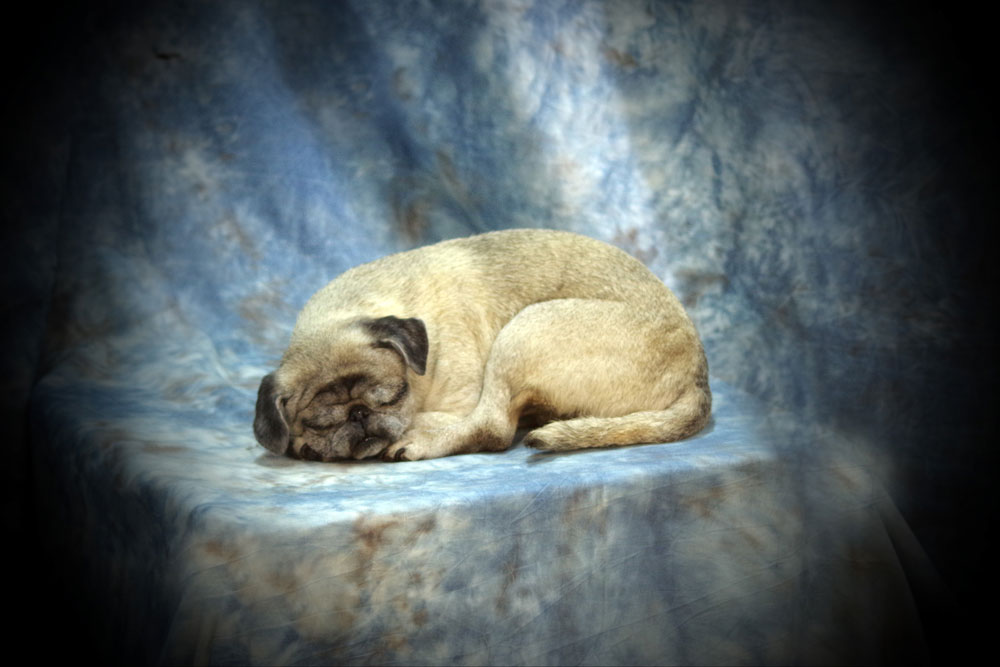
For owners drawn to a striking, museum-style tribute, the cleaned skeleton can be reassembled joint by joint into a standing display. Learn more about our pet skeleton preservation and articulation work, and if you are curious about the steps involved, our guide on how to preserve a pet skeleton explains the process.
Pelt Preservation and Fur Keepsakes
A tanned pelt keeps your pet’s hide and fur as a soft keepsake you can hold or display, which many find comforting. Our pet pelts service covers this option, and you can also read about ways to preserve your pet’s fur in a keepsake for smaller mementos.
Cremation as an Alternative
If a full preservation does not feel right for you, cremation offers a respectful path to a memorial of ashes. Our pet cremation service outlines individual and communal options for families who prefer this route.
Comparing the Most Popular Pet Preservation Methods
Seeing the options together often makes the decision clearer. The table below compares the choices at a glance:
| Method | What Is Preserved | Typical Look | Relative Cost | Care Needs |
|---|---|---|---|---|
| Taxidermy | Treated skin on a form | Lifelike, posable | Moderate | Robust, open display |
| Freeze-drying | Whole body | Very natural | Higher | Keep dry, enclosed display |
| Skeleton articulation | Cleaned skeleton | Museum-style | Varies | Low, dust occasionally |
| Pelt preservation | Tanned hide and fur | Soft keepsake | Lower | Keep dry |
| Cremation | Ashes | Urn or scattering | Lowest | Minimal |
How to Choose the Right Option
When you compare these approaches, your decision will usually come down to a handful of practical and emotional factors.
Emotional Needs
Some owners want an artistic recreation they can pose, while others find peace in knowing their pet’s actual body remains whole. Neither is more correct, and only you know which brings you comfort.
Budget
Taxidermy is often slightly more affordable than freeze-drying, while pelts and cremation tend to cost less and articulation varies with size. For a full breakdown, see our overview of what pet preservation costs.
Timeline
Taxidermy projects often finish in a few weeks to a few months, while freeze-drying can take several months depending on the size of the animal.
Long-Term Care and Display
Taxidermy mounts handle open spaces well, freeze-dried pets prefer dry, enclosed displays, and skeletal mounts need only occasional dusting.
Matching Pet Preservation Methods to Your Needs
If lifelike realism and a peaceful natural pose matter most, freeze-drying is often the favorite, especially for smaller pets. If you want an expressive, posable tribute that stands up to open display, taxidermy is a strong choice. For something distinctive, articulation creates a memorable standing skeleton, and pelts offer a soft, touchable keepsake. There is no single best answer among the pet preservation methods, only the one that fits your heart and your home.
Which Pets Can Be Preserved?
Nearly any companion animal can be honored through one of these approaches, and the best method often depends on the species. Dogs and cats are the most common, but the same care applies to many others:
- Dogs and cats suit taxidermy, freeze-drying, pelts, or articulation equally well.
- Birds preserve beautifully, and freeze-drying captures delicate feathers especially well. See our small bird taxidermy service for details.
- Reptiles have unique needs that benefit from specialized handling, which our reptile taxidermy services address.
- Rabbits, ferrets, and other small pets are well suited to freeze-drying because of their size.
If you are unsure which approach fits your specific pet, that is a perfectly normal question, and it is one we are glad to talk through with you before any decision is made.
Frequently Asked Questions About Pet Preservation Methods
What are the main methods of pet preservation?
The most common methods are traditional taxidermy, freeze-drying, skeleton preservation and articulation, pelt preservation, and cremation. Taxidermy and freeze-drying are the two most requested.
What is the difference between taxidermy and freeze-drying for pets?
Taxidermy preserves the treated skin over a sculpted form, while freeze-drying preserves the entire body by removing moisture through sublimation. Freeze-drying usually looks more natural, while taxidermy offers more flexibility in pose and is more durable in open display.
Which pet preservation method lasts the longest?
Both taxidermy and freeze-drying can last for decades with proper care. Taxidermy tends to be more resilient in fluctuating conditions, while freeze-dried pets last longest when kept in a dry, stable environment.
How much do pet preservation methods cost?
Cost depends on the method, the size of your pet, and any custom work. Cremation and pelts are generally the most affordable, taxidermy sits in the middle, and freeze-drying is often the most expensive due to the lengthy process.
How long does pet preservation take?
Taxidermy can take a few weeks to a few months, while freeze-drying frequently requires several months, especially for larger animals.
Compassionate Guidance for Your Decision
Choosing how to honor your pet should never feel rushed or lonely. With more than three decades of experience, our team treats every companion with dignity and helps families understand each option clearly. Whichever path feels right, you are welcome to speak with our compassionate preservation team and we will answer your questions with patience and care. You can also browse our complete pet preservation and taxidermy services to see everything we offer in one place.
Categorised in: Pet Preservation
This post was written by Animal Family Team

Comments are closed here.