

Communal Pet Cremation: What It Is and Is It Right for Your Pet?
October 3, 2023 3:12 pm Leave your thoughtsSaying goodbye to a pet is one of the hardest moments any animal lover faces, and choosing how to handle their remains often arrives at the worst possible time. Communal pet cremation is one of the most common and affordable aftercare options, and it is also one of the most misunderstood. Before you decide, it helps to know exactly what the process involves, what happens to the ashes, and how it compares to the other choices offered through our pet cremation service.
This guide walks through how communal cremation works, who it tends to suit, the keepsakes you can still keep, and the questions worth asking before you commit. The goal is simple: to help you make a calm, informed decision that feels right for you and your companion.
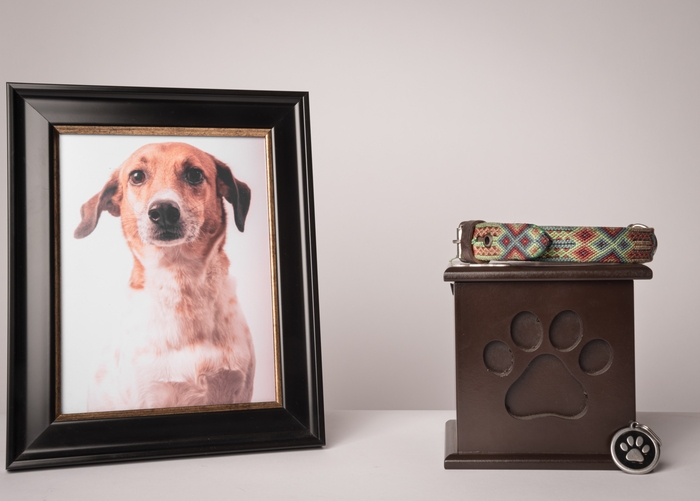
What Is Communal Pet Cremation?
Communal pet cremation is a process in which several pets are cremated together in the same chamber at the same time. Because the remains are not physically separated, the ashes are not returned to individual owners. For this reason, communal cremation is sometimes called group cremation or shared cremation, and all three terms describe the same basic service.
The process itself is handled with the same care as any other form of cremation. Here is what typically happens during a communal cremation:
- Several pets are placed respectfully into the cremation chamber together.
- The chamber reduces the remains to bone fragments through high heat.
- The combined remains are processed into ash.
- Because the ashes are mingled, they are not divided or returned to individual families.
- The shared ashes are then scattered or interred in a dedicated, cared for setting.
If you would like a fuller picture of the mechanics behind the chamber and the timeline, our overview of how pet cremation works breaks the steps down in plain language.
Communal Cremation vs. Partitioned and Private Cremation
Most providers offer three tiers of cremation, and the difference between them comes down to one thing: whether your pet is kept separate and whether you receive ashes back. Knowing the distinction prevents the single most common regret families report, which is assuming they would receive ashes and later learning they would not.
Communal Cremation
Multiple pets are cremated together with no separation, and no ashes are returned. This is the most budget friendly option and is often chosen by families who do not wish to keep ashes at home.
Partitioned (Semi-Private) Cremation
More than one pet is cremated at the same time, but each is kept separate by a physical barrier so that a portion of ashes can be returned. It sits between communal and private in both cost and exclusivity. It is worth asking any provider exactly how the separation is maintained, since practices vary.
Private (Individual) Cremation
Your pet is cremated alone, and only your pet’s ashes are returned to you for a keepsake urn or memorial. This is the right choice if having your companion’s individual remains matters to you. You can read more about what to expect with this option for dogs through our dog cremation service.
The table below sums up the practical differences at a glance:
| Feature | Communal | Partitioned | Private |
|---|---|---|---|
| Pets cremated together | Yes, fully mingled | Yes, kept separate | No, cremated alone |
| Ashes returned | No | Partial | Yes, your pet only |
| Relative cost | Lowest | Moderate | Highest |
| Keepsake urn possible | No | Usually | Yes |
If your main question is simply whether you walk away with ashes, our article on whether you get your pet back after cremation explains how each option answers that.
What Happens to the Ashes After a Communal Cremation?
Because the remains from a group cremation are combined, they are not separated for return. Instead, reputable providers handle the shared ashes with dignity. Common practices include scattering in a memorial garden, interment in a dedicated communal plot, or respectful scattering at a natural site. Many families find genuine comfort in knowing their pet rests in a cared for place alongside other animals rather than in a single urn at home.
Choosing communal cremation does not mean you have to go without a memorial. There are many meaningful ways to honor a companion, and our list of ideas for what to do with a pet’s ashes includes options that work whether or not you keep physical remains.
How Much Does Communal Pet Cremation Cost?

Communal cremation is consistently the most affordable cremation choice because the cost of running the chamber is shared across several pets. A few factors still influence the final price:
- Weight and size of your pet. Larger animals take more time and energy, so cost usually scales with weight.
- Your region and provider. Local pricing and fuel costs vary from one facility to another.
- Optional keepsakes. Paw prints, fur clippings, or nose prints taken beforehand may carry a small added charge.
- Transport or shipping. If your pet needs to be transported to the facility, that may be billed separately.
For a clear breakdown of current pricing and what is included, see our pricing and shipping details. If affordability is your primary concern, it is also worth reading about the cheapest simple cremation options so you can compare honestly before deciding.
Keepsakes You Can Still Keep Beforehand
One of the kindest things to know is that choosing a group cremation does not mean leaving empty handed. Many keepsakes are created before the cremation takes place, so they are available regardless of which service you select. Families often arrange:
- Clay or ink paw prints.
- A clipping of fur saved in a locket or keepsake box.
- Nose prints or photographs.
- A custom memorial item made from a saved lock of fur.
If preserving a lasting physical part of your companion appeals to you, you may also want to explore pet preservation as an alternative that keeps far more of your pet’s likeness intact than ashes alone.
Is Communal Pet Cremation the Right Choice for Your Pet?
Deciding on aftercare is deeply personal, and there is no wrong answer when the choice is made with love. Communal cremation tends to be a good fit when:
- Cost is a meaningful consideration and you want a respectful, affordable farewell.
- You do not feel the need to keep ashes in your home.
- You find comfort in the idea of your pet resting in a shared, cared for setting.
- Your pets shared a close bond in life and resting together feels fitting.
On the other hand, if having your companion’s individual ashes for an urn or keepsake is important to you, a private cremation will serve you better. Grief rarely makes these decisions simple, and that is normal. The American Veterinary Medical Association offers gentle, practical guidance on coping with the loss of a pet that many owners find steadying while they weigh their options. You are also welcome to explore our full range of pet preservation and aftercare services to see every option in one place.
Questions Worth Asking Before You Decide
Not every facility handles a group cremation the same way, so a few direct questions will tell you whether a provider is a good fit. Before you commit, consider asking:
- How are pets handled and identified throughout the process?
- Where are the communal ashes scattered or interred, and can you visit?
- Which keepsakes can be arranged beforehand, and what do they cost?
- Is transport or shipping available if you cannot bring your pet in person?
- What documentation will you receive confirming the service?
Clear, patient answers are a good sign that your companion will be treated with respect. The same questions apply whether you are arranging cremation for a dog, a small animal, or a cat, and you can review the specifics of our cat cremation service if you are caring for a feline friend. Taking a little time here often brings real peace of mind later.
Frequently Asked Questions About Communal Pet Cremation
Do you get any ashes back from a communal cremation?
No. Because several pets are cremated together and the remains are mingled, the ashes cannot be separated and are not returned. If receiving ashes matters to you, choose a partitioned or private cremation instead.
Is communal cremation cheaper than private cremation?
Yes. Since the cost of the cremation is shared across multiple pets, group cremation is almost always the most affordable option. Private cremation costs more because your pet is cremated alone.
What is the difference between communal and group cremation?
There is no difference. Communal cremation, group cremation, and shared cremation are different names for the same service in which pets are cremated together without their ashes being separated.
Can I still get a paw print if I choose communal cremation?
In most cases, yes. Keepsakes such as paw prints, fur clippings, and nose prints are typically taken before the cremation, so they are available no matter which service you select.
What happens to the ashes after a communal cremation?
The shared ashes are handled respectfully, usually by scattering in a memorial garden or interment in a dedicated communal plot, depending on the provider.
Compassionate Guidance When You Need It
Choosing the right farewell for your pet should never feel rushed or confusing. Whether communal cremation, private cremation, or preservation feels right, our team is here to walk you through every option with patience and care. When you are ready, speak with our compassionate pet cremation team and a caring member will help you decide what suits you and your beloved companion best.
Categorised in: Pet Cremation
This post was written by mmaier