

Pet Preservation After Euthanasia: Your Options and First Steps
October 2, 2026 9:20 pmLosing a companion leaves a quiet that nothing else quite fills, and in the hours after a veterinary visit many families begin to wonder whether there is something more than burial or cremation. There is. Pet preservation after euthanasia is entirely possible, and the choices that matter most happen in the first few hours, long before you need to settle on a method or a pose.
At Animal Family Pet Preservation, a family-owned studio led by Mark, Lorraine, and Sam Maier, every memorial is built around the individual animal you knew. Your reference photos guide the work, and the poses that feel most like your companion shape the result. Beyond keeping your companion cool, there is no deadline on your decision, so take what you need from this guide at your own pace.
| The Short Answer | |
|---|---|
| Can it be done? | Yes. Dogs, cats, birds, reptiles, and many other companions can be preserved after euthanasia. |
| First step | Ask the veterinary team to keep your companion cool, in refrigeration rather than a freezer, right away. |
| One small request | Ask your veterinarian not to shave the leg before the euthanasia injection. |
| Your options | Freeze-drying, traditional taxidermy, skeletal articulation, pelts, and smaller keepsakes. |
Your Options for Pet Preservation After Euthanasia
You are not limited to a single path. Some families weigh preservation against pet cremation, while others want a physical presence that burial and ashes cannot offer. Modern techniques reach far beyond the stiff, glassy-eyed figures many people picture when they hear the word taxidermy. Our artists work to capture the tilt of an ear, the softness of a coat, and the expression you knew across a decade of mornings.
The right method depends on your companion’s species, size, and coat, and on the kind of memorial you want in your home. A resting pose can feel serene and still. A posture that captures your companion curled in a favorite spot can feel like they never left. Both are possible, and a preservation specialist will explain what is achievable before any work begins.
Freeze-Dried Preservation
Vacuum freeze-drying slowly removes moisture from your companion’s body while it remains frozen. Because the process keeps your companion’s actual structure rather than replacing it, the result holds a soft, natural texture. The fur moves the way it always did, and the features stay as they were. Many families choose freeze-dried pet preservation for exactly this closeness, since it retains the feel and weight of the companion they remember.
Traditional Taxidermy
Traditional taxidermy places your companion’s natural coat over a custom-built form. It demands deep anatomical knowledge and a practiced eye for details such as the way a breed carries its weight or how a long coat drapes, which separate a generic figure from a true likeness. Our pet taxidermy services are highly customizable, so you can choose the natural pose that reflects how you remember your companion best.
For canine companions, dog taxidermy is tailored to the distinct expressions and features of your dog, from an alert, upright ear to a relaxed rest.
Skeletal Articulation, Pelts, and Keepsakes
Skeletal Articulation
Some families want to honor their companion’s physical legacy in a quieter, more artistic form. Pet skeleton articulation carefully cleans and assembles your companion’s skeleton into a respectful display piece.
Pelts and Smaller Mementos
A preserved pelt offers a soft, tangible reminder, and pet pelt preservation can be chosen on its own. Smaller keepsakes, such as preserved fur and paw prints, can stand alone or complement a full memorial.
Freeze-Drying vs. Taxidermy at a Glance
Both methods aim for a beautiful, lasting memorial, but they rely on different artistic and technical processes. The differences affect texture, timeline, and what you bring home. Neither method is better for every companion, and a specialist can help you weigh the factors without any pressure.
| Consideration | Freeze-Drying | Traditional Taxidermy |
|---|---|---|
| How it works | Moisture is slowly removed under vacuum while the body stays frozen. | The natural coat is carefully fitted and shaped over a custom-built form. |
| What is preserved | Your companion’s actual structure and soft fur. | Your companion’s natural coat, set on a form recreated to match their build. |
| Freezing before arrival | Freezing is a standard and safe step. | Speak with a specialist before deep freezing. |
| Pose | Guided by your reference photos and the natural pose of your companion. | Highly customizable, from resting to mid-stride. |
| Timeline | Cannot be rushed. Varies by size and the individual companion. | Cannot be rushed. Varies by method and complexity. |
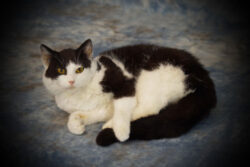
Families with feline companions often ask how a cat’s fine coat and distinctive expression are handled, and our cat taxidermy work shows how much attention each detail receives. Whatever you choose, what we create is a lifelike reconstruction, a comforting likeness that honors your companion’s memory.
What to Do in the First Hours After Euthanasia
The hours right after a companion passes are the most time-sensitive part of the entire process. Taking a few simple steps keeps every option open and stabilizes your companion safely before transport. None of this is complicated, and your veterinarian can make it much easier.
- Do not shave the leg. Veterinarians often shave a spot on a leg to prepare for the injection. For the best preservation results, ask your veterinarian not to.
- Cool the body immediately. Ask the clinic to place your companion in cold storage, meaning refrigeration and not freezing, as soon as possible to slow natural biological changes.
- Check before freezing if you want taxidermy. Refrigeration is recommended in all cases. If you are considering traditional taxidermy, speak with a specialist before a deep freeze. For freeze-drying, freezing is a standard step.
- Wrap your companion gently. Place your companion in a natural, sleeping position and wrap them in a clean towel or blanket to protect the coat and features in transit.
How Long You Can Wait Before Starting Pet Preservation After Euthanasia
Under standard refrigeration, plan to reach a preservation specialist within a few days. If more time is needed, freezing halts natural changes, which is perfectly fine for freeze-drying. Calling early costs you nothing and keeps the most choices available, so even a short conversation on the first day can bring real peace of mind.
Working With Your Veterinarian
Most clinics are familiar with preservation requests and will accommodate your wishes without judgment. You do not need to have everything figured out before you leave. If you know ahead of time that you want preservation, call the clinic beforehand so the team can note your requests and be ready when the time comes.
Getting Your Companion to the Studio
You are never left to figure out transport alone. The studio provides detailed instructions for safely packaging and shipping your companion with insulated transport, and the team walks you through each step. Families from across the country trust this process, and every companion is handled with reverence from the first moment of contact.
Choosing Preservation While You Grieve
Preserving a companion is a deeply personal decision, and not everyone in your life will understand it right away. It is normal to feel a mix of grief, relief that suffering has ended, and worry about whether you are choosing well. What matters most is that the choice reflects your bond and brings you genuine comfort.
Why So Many Families Want to Keep Their Companions Close
Survey data from the veterinary profession helps explain the instinct. In preliminary results from the 2024 AVMA Pet Ownership and Demographic Sourcebook, 88.8 percent of dog owners and 84.7 percent of cat owners said they view their pet as a member of the family. When a companion is family, wanting to keep a physical presence nearby is a natural extension of that bond.
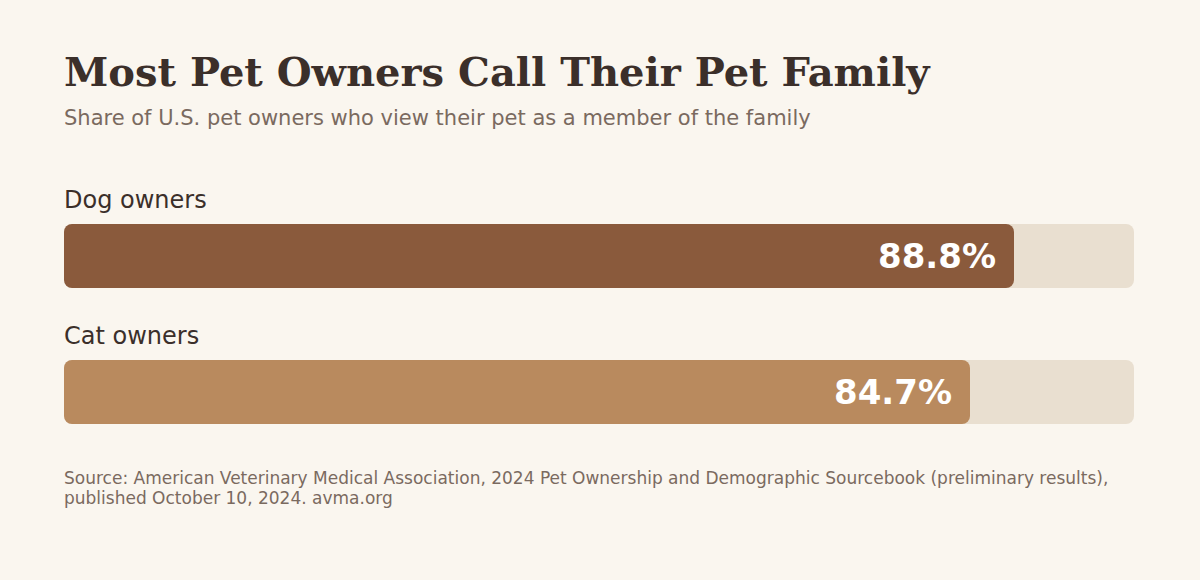
Source: American Veterinary Medical Association, 2024 Pet Ownership and Demographic Sourcebook.
Pet Loss Grief Is Real and Deserves Space
Research backs up what grieving families already know. In a 2026 PLOS One study of 975 UK adults, 21 percent of people who had lost both a pet and a person named the pet as their most distressing loss. Among people whose most distressing loss was a pet, 7.5 percent met the criteria for prolonged grief disorder, a rate close to that seen after the death of a close friend (7.8 percent), a brother or sister (8.9 percent), or a partner (9.1 percent).
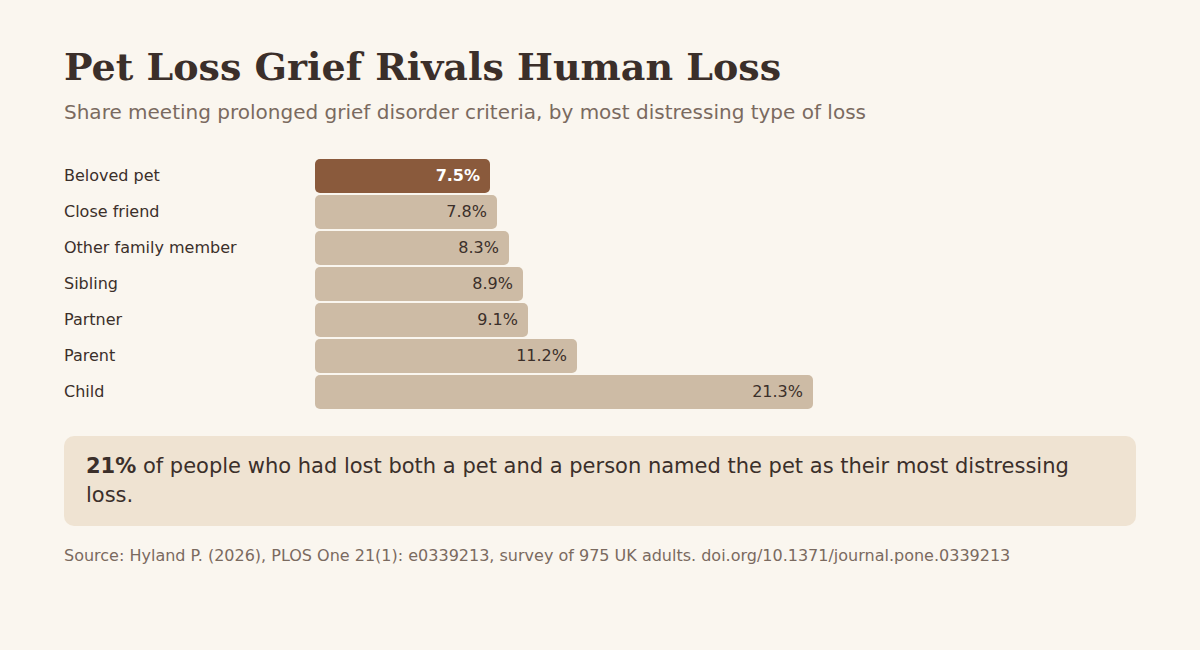
Source: Hyland P., No pets allowed, PLOS One (2026).
Giving yourself permission to grieve without a timeline matters as much as any physical memorial. If you would like gentle guidance, explore ideas for coping with the loss of a pet alongside the practical decisions in front of you.
Talking With Your Family
Share your wishes openly with the people who loved your companion, especially children. Some family members need time to understand the choice, while others find comfort in it immediately. Preservation is a long-practiced way of honoring a bond, and many families describe a preserved likeness as a source of daily comfort rather than sadness.
What Shapes the Cost of Preservation
Planning the financial side with the same care you bring to every other part of this decision is wise. The price reflects the time, skill, and materials involved in creating something worthy of your companion, and several factors determine where your project lands.
| Factor | How It Affects the Price |
|---|---|
| Size and weight | Larger companions require more time, materials, and work. |
| Species | Dogs, cats, birds, and reptiles each call for different techniques. |
| Method | Freeze-drying and taxidermy follow different processes. |
| Complexity of the work | Detailed restoration and custom posing add artistry and time. |
| Shipping | Distance and packaging affect transport to the studio. |
Current rates, shipping details, and weight-based pricing are laid out in the pricing and shipping details, so you can estimate your investment before you reach out.
A Lifetime Care Guarantee
Every memorial is backed by a lifetime care guarantee that covers free repairs for accidental damage, environmental wear, and any adjustments needed to keep your companion looking their best. It is a genuine, ongoing commitment to the families who trust the studio with something irreplaceable.
What to Expect Once You Reach Out
- Share your companion’s story. Tell the team about your companion and send as many reference photos as you like.
- Plan the pose together. The team reviews your photos with you, asking what you love and what you want to see in the final posing.
- Choose the method. A specialist explains what suits your companion’s species, size, and coat, with no pressure.
- The work begins. Each project is handled unhurriedly, and you are kept informed on your companion’s status throughout.
- Your companion comes home. The lifetime care guarantee continues long after delivery.
Client Robin Kaigle entrusted her companion Diego to the studio and described her experience this way:
“They did a beautiful job on my Diego. They finished sooner than my quoted date, kept me up to date on his status, and were extraordinarily professional. I sent them tons of reference photos, and they walked through them all with me, asking what I liked and wanted to see in my pet’s final posing. Their front room is comfortable, and I didn’t feel rushed at any point. Highly, highly, highly recommend. My baby is beautiful.”
“They were very sweet and understanding. The process took quicker than I thought, too. Very happy to have my Lucy back.” – Amberfox 95
A Family Studio Trusted Since 1993
This work is a family craft. Mark Maier, Lorraine Maier, and Sam Maier have spent more than three decades refining it, and you can meet the Maier family to learn how the studio began. To see the care that goes into each piece, browse the gallery of finished memorials.
Common Questions About Pet Preservation
How long can I wait after euthanasia before starting the preservation process?
Your companion’s body should be chilled right away after euthanasia. With standard refrigeration, aim to contact a preservation specialist within a few days. If there will be a longer delay, freezing the body becomes necessary to halt natural biological changes, especially if you are choosing freeze-drying, where freezing is already a standard step. The sooner you reach out, the more options remain open to you.
Can my veterinarian help prepare my companion for preservation?
Yes, and most veterinarians are supportive of the request. Ask them to place your companion in cold storage immediately after euthanasia and to help position your companion in a natural, resting pose while you arrange transport. If you know in advance that you want preservation, call the clinic ahead of time so the team is ready.
Should I refrigerate or freeze my companion after euthanasia?
Refrigeration is recommended in every case, and it is the right first step. If you are choosing freeze-drying, freezing is a standard and safe part of the process. If you are considering traditional taxidermy, speak with a preservation specialist before placing your companion in a deep freeze, because some traditional methods are best performed on remains that have not been deeply frozen.
Why should I ask my vet not to shave the leg?
Veterinarians often shave a small area on a leg to prepare for the euthanasia injection. For the best preservation results, we recommend asking your veterinarian not to shave the leg. Mention your plans before the appointment so the clinic can note it.
Is it unusual to choose preservation over cremation?
Not at all, even though it can feel that way when you are the one making the decision. Keeping a lifelike presence at home brings lasting comfort to many grieving families. It does not deny the loss. It honors the relationship in a way that feels true to the bond you shared.
How is my companion transported to the studio?
Animal Family Pet Preservation provides detailed instructions for safely packaging and shipping your companion using insulated transport, so your companion arrives safely and is handled with care at every step. The team walks you through the process so nothing is left uncertain.
What does the lifetime care guarantee cover?
The lifetime care guarantee covers free repairs for issues such as accidental damage, environmental wear, or any adjustments needed to keep your companion looking their best. It extends the studio’s commitment to your family well beyond the day your companion comes home.
Request Your Personal Consultation
When you are ready to talk through your options, or simply have questions about immediate care and transport, talk with our team about your companion for an unhurried conversation. We are here to support you at whatever pace feels right.
- Studio: 3381 Congo Rd, Circleville, OH 43113
- Hours: Tuesday through Saturday, 9:00 am to 5:00 pm
- Phone: (740) 703-3937
Categorised in: Deceased Pet Options
This post was written by Animal Family Team
Comments are closed here.