

How Does Pet Cremation Work? The Complete Process Explained
February 27, 2021 5:30 pmWhen a pet passes away, cremation is one of the most common aftercare choices families make. It is a meaningful and practical option, but many pet owners have questions about the procedure itself before they feel comfortable moving forward. Understanding how does pet cremation work, from the moment your pet arrives at the facility to the day you receive their ashes, can make the process feel less uncertain and help you make the right decision for your family.
How Does Pet Cremation Work? A Step-by-Step Overview
The pet cremation process follows a structured sequence that licensed crematories are required to complete for every animal in their care. While the specifics can vary slightly between facilities, the core steps are consistent across the industry.
Step 1: Intake and Identification
When your pet arrives at the cremation facility, the first thing that happens is identification. A unique metal ID disc is assigned to your pet and remains with them through every stage of the process, including inside the cremation chamber. This is the primary safeguard that allows the facility to guarantee the ashes returned to you belong to your pet. Ask any crematory you are considering to walk you through their identification procedure before you commit.
Step 2: Preparation and Cooling
If cremation is not scheduled immediately, your pet is kept in a temperature-controlled environment until the process begins. This is standard practice at reputable facilities and ensures that your pet is treated with care during the waiting period. Before cremation begins, the chamber is inspected and, in the case of private cremation, cleared and cleaned thoroughly.
Step 3: The Cremation Chamber
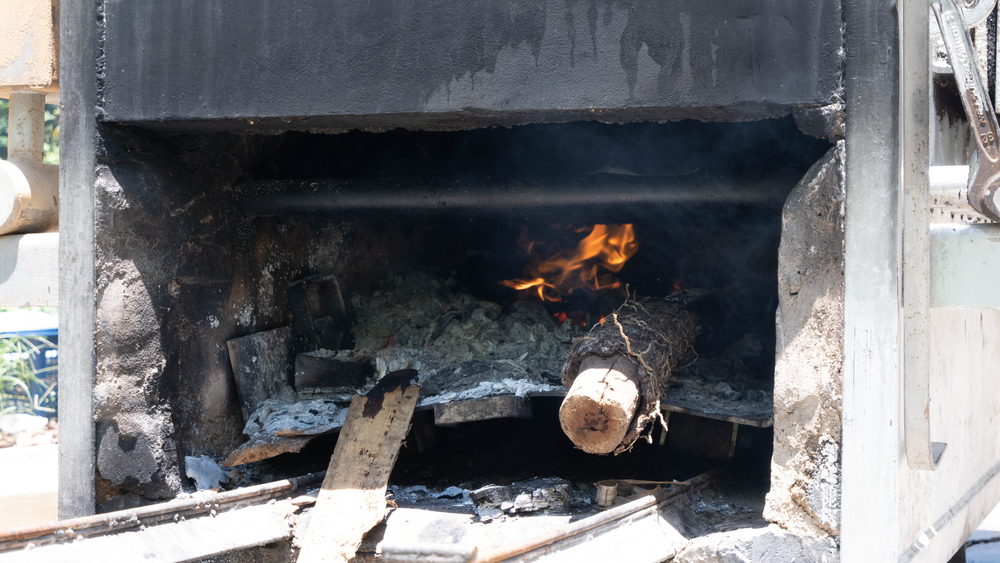
Your pet’s body is placed inside a cremation retort, which is a high-temperature chamber designed specifically for this purpose. The chamber is heated to between 1,400 and 1,800 degrees Fahrenheit. At these temperatures, organic matter is rapidly vaporized, leaving behind only bone fragments and any non-organic materials such as surgical pins or microchips. The process is complete when the chamber has fully reduced the remains. Cremation time varies significantly by animal size. A small cat may take under an hour, while a large dog can take two to three hours or more. For a full size-by-size breakdown, read our guide on how long it takes to cremate a dog.
Step 4: Processing the Remains
After the cremation chamber cools, any metal present in the remains is removed using a magnet. The remaining bone fragments are then processed using specialized equipment into a uniform, fine ash. This material, commonly called cremated remains or ashes, is what is returned to the family. The volume of ash produced is roughly 3.5% of the animal’s original body weight.
Step 5: Packaging and Return
The processed ashes are placed in a sealed bag inside a temporary container, or transferred into an urn if one was provided or purchased through the facility. A certificate of cremation is typically included, documenting your pet’s name, the date of cremation, and the facility’s information. The family is then notified that the remains are ready for pickup, or they are shipped directly depending on the arrangements made.

What Types of Pet Cremation Are Available?
Understanding the different types of cremation is an important part of deciding how pet cremation will work for your specific situation. There are three main options, each with different implications for cost and what you receive at the end of the process.
Private Cremation
What It Involves
In private cremation, your pet is the only animal in the cremation chamber. The unit is fully cleaned before the process begins, and all ashes returned are exclusively your pet’s. This is the preferred option for families who want certainty about the remains they receive and plan to keep or memorialize the ashes. At Animal Family Pet Preservation, private cremation is the only form we offer, ensuring every family receives the utmost respect and accountability throughout the process.
Communal Cremation
What It Involves
In communal cremation, multiple animals are cremated simultaneously in the same chamber. The ashes are not separated, and remains are not returned to individual families. This is a more affordable option for families who do not need the ashes returned. It is a dignified choice, though it is important to understand upfront that you will not receive your specific pet’s remains. For a closer look at whether this option is right for your family, read our full guide on understanding communal pet cremation.
Partitioned Cremation
What It Involves
Partitioned cremation falls between private and communal. Multiple pets are cremated at the same time but are separated by partitions within the chamber. While the facility makes every effort to keep remains separated, some minor commingling is possible. This option offers a middle ground on cost while still returning the majority of your pet’s ashes. Families who choose this option should understand the limitation and feel comfortable with it before proceeding.
What Temperature Is Used in Pet Cremation?
Pet crematories operate at temperatures between 1,400 and 1,800 degrees Fahrenheit. This range is necessary to ensure that organic matter is fully vaporized in an efficient, complete process. The precise temperature used depends on the size of the animal and the specific equipment at the facility. Larger animals typically require sustained heat at the higher end of the range to ensure full completion.
This temperature range is consistent with what is used in human cremation, which operates in a similar window. The primary difference is the equipment scale and chamber size, which are adapted to the range of animal sizes a pet crematory handles.
How Does Pet Cremation Work for Different Animals?
The core cremation process is the same regardless of species, but there are some practical differences depending on the type of pet being cremated.
Dog Cremation
Dog cremation is the most common service offered by pet crematories. The process and timeline vary significantly by breed size. Small dogs follow a similar path to cats, while large and giant breeds require extended chamber time and may need advance scheduling. Our dog cremation service is available for all breeds and sizes.
Cat Cremation
Cats are typically lighter than most dogs, so the cremation process is generally faster, usually completing within 45 to 60 minutes. The identification and processing steps are the same. Our cat cremation service follows the same private-only approach to ensure the ashes returned belong exclusively to your pet.
Birds, Reptiles, and Small Animals
Birds, reptiles, rabbits, guinea pigs, and other small animals can all be cremated. Smaller animals produce a proportionally small amount of ash, and the cremation time is short. Facilities that specialize in pet cremation are equipped to handle animals of all sizes with the same level of care.
What Happens to the Ashes After Pet Cremation?
Once you receive your pet’s ashes, there is no timeline or requirement for what comes next. Many families take weeks or even months before deciding. Common choices include:
- Keeping the ashes at home in an urn or a meaningful container
- Scattering the ashes in a favorite place your pet loved
- Burying the urn in a garden or memorial space
- Memorial jewelry incorporating a small portion of the ashes
- Glass art or keepsake items created from the remains
- Ash-to-diamond services that compress remains into a lab-created gem
For a full list of meaningful ways to honor your pet after cremation, read our guide on what to do with your pet’s ashes.
How Much Does Pet Cremation Cost?
Cost is determined primarily by animal size and type of cremation selected. Communal cremation for a small pet can start around $30 to $50, while private cremation for a large dog may reach $300 to $400 or more. Additional costs such as urns, memorial items, or transportation fees can affect the total. For a detailed breakdown by size and service type, visit our full guide on pet cremation cost, or review our pricing and shipping page for current rates. The American Veterinary Medical Association also recommends discussing aftercare costs and options with your veterinarian in advance of end-of-life decisions.
Choosing a Pet Cremation Provider
Not all crematories operate to the same standard, and it is worth taking time to evaluate your options rather than defaulting to the first available service. Key things to ask when evaluating a provider:
- What identification system do you use to track animals through the process?
- Is the facility licensed, and are staff trained specifically in pet cremation?
- What types of cremation do you offer, and what is included in each?
- Can I tour the facility before committing?
- How are ashes packaged and returned?
- What is the estimated timeline from pickup to receiving the remains?
A reputable provider will answer all of these questions without hesitation. If a facility is evasive about its process or identification system, that is a meaningful warning sign. To learn more about our services or to ask any questions, reach out to the Animal Family Pet Preservation team directly.
Frequently Asked Questions About How Pet Cremation Works
How does pet cremation work compared to human cremation?
The process is essentially the same. Both use high-temperature retort chambers to vaporize organic matter, and both produce bone ash that is then processed into a uniform consistency. The primary differences are equipment scale and regulatory framework. Human crematories operate under stricter state licensing requirements, while pet cremation regulations vary more by jurisdiction.
How do I know I am getting my own pet’s ashes back?
Reputable facilities use a metal ID disc assigned to your pet at intake that remains with them through the entire process, including inside the cremation chamber. This disc survives the heat and is used to match the remains to the correct family at the end. Always ask any provider to explain their identification system before you commit.
Can I be present during my pet’s cremation?
Some facilities offer witnessed or attended cremation, allowing you to be present at the start of the process. This is not available at every crematory, so confirm directly when you inquire. Whether to attend is a deeply personal decision. Some families find it provides closure, while others prefer not to be present.
What do pet ashes look like?
Pet cremated remains are typically a fine, light gray or off-white powder with a consistency similar to coarse sand. The color and texture can vary slightly depending on the animal’s age, diet, and bone density. The volume is proportional to your pet’s body size, with smaller animals producing a smaller amount of ash.
Is pet cremation environmentally friendly?
Traditional flame-based cremation uses natural gas or propane and produces some emissions. It is not zero-impact, though it avoids the land use and potential groundwater concerns associated with burial. Some facilities now offer aquamation (alkaline hydrolysis) as a lower-emission alternative, though availability varies by location and state regulation.
How soon after passing does a pet need to be cremated?
There is no immediate requirement, but cremation is generally recommended within a few days of passing. Reputable crematories can provide refrigerated storage if there is a delay in scheduling. Contact the facility as soon as possible to discuss timing and arrange care for your pet’s remains.
Categorised in: Pet Cremation
This post was written by Animal Family Team


Comments are closed here.