

How Long Does It Take to Cremate a Dog? Size & Timeline
February 18, 2023 8:12 amLosing a dog is one of the hardest experiences a pet owner goes through. When the time comes to decide on aftercare, cremation is among the most common choices, and one of the first practical questions families ask is: how long does it take to cremate a dog? The honest answer depends on your dog’s size, the type of cremation you choose, and the specific facility handling the process. This guide walks through everything you need to know so you can make a thoughtful, informed decision.
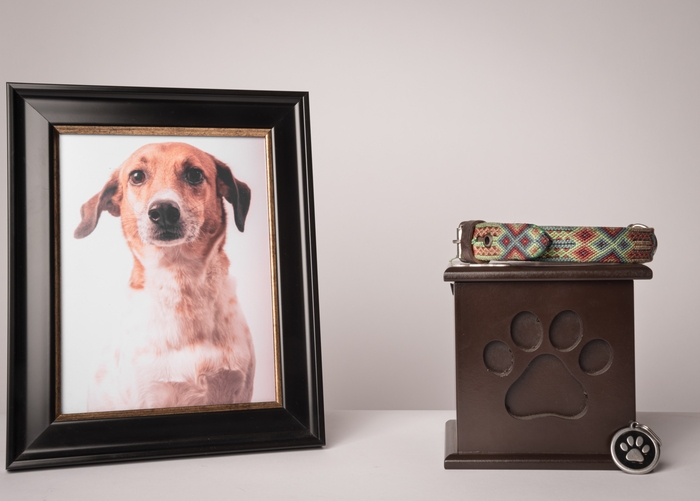
How Long Does It Take to Cremate a Dog?
The cremation itself typically takes between 45 minutes and three hours, with the primary variable being your dog’s body weight. Smaller dogs complete the process much faster than large or giant breeds. Here is a general timeline by size:
| Dog Size | Approximate Weight | Cremation Time |
|---|---|---|
| Small | Under 25 lbs | 45 to 75 minutes |
| Medium | 25 to 60 lbs | 1 to 1.5 hours |
| Large | 60 to 100 lbs | 1.5 to 2.5 hours |
| Giant | Over 100 lbs | 2.5 to 3 hours or more |
These figures reflect the cremation chamber process only. From the time you arrange services to the moment you receive your dog’s ashes, the full timeline is usually two to seven business days. This accounts for scheduling, transportation to the facility, the cremation itself, ash processing, and return delivery or pickup.
How Long Does It Take to Cremate a Large Dog?
Large and giant breeds require significantly more time in the cremation chamber than smaller dogs. A dog weighing over 100 pounds may take three hours or longer, and some facilities require advance scheduling to allocate the necessary time and resources. If you have a large breed such as a Great Dane, Saint Bernard, or Newfoundland, it is worth calling the crematory directly to ask about their process and estimated timeline for dogs of that size.
What Happens After the Cremation Is Complete?
Once the cremation is finished, any metal present in the remains, such as surgical pins, microchips, or ID tags, is removed using a magnet. The remaining bone material is then processed into the fine, gray-white ash that families receive. This ash typically amounts to roughly 3.5% of your dog’s original body weight. A 50-pound dog, for example, will produce approximately 1.75 pounds of cremated remains.
The facility will contact you when the ashes are ready. You can arrange pickup directly or request that they be shipped or delivered, depending on the crematory’s policies.

How Does the Dog Cremation Process Work?
Understanding the step-by-step process can help make a difficult decision feel more manageable. Cremating a dog follows a structured procedure that licensed crematories are required to follow, and most facilities take significant care to ensure each animal is handled individually and respectfully.
Step by Step: What Happens During Dog Cremation
Step 1: Identification and Intake
When your dog arrives at the crematory, a unique identification tag is assigned and stays with your dog throughout the entire process. This tracking system is what allows the facility to guarantee that the ashes you receive belong to your pet. Most reputable crematories use metal ID discs that survive the cremation chamber intact.
Step 2: Chamber Preparation
Before your dog is placed in the cremation unit, the chamber is thoroughly inspected and, in the case of private cremation, cleared of any residual material from a previous cremation. The chamber is then preheated to ensure consistent temperatures throughout the process.
Step 3: The Cremation Chamber
Your dog’s body is placed in a cremation retort, a high-temperature chamber that reaches between 1,400 and 1,800 degrees Fahrenheit. At this temperature, organic matter is rapidly vaporized, leaving only bone fragments and any non-organic materials. The process is complete when the chamber has fully reduced the remains. Smaller dogs pass through this stage faster; larger dogs require a longer run time at sustained heat.
Step 4: Processing the Remains
After the cremation chamber cools, a magnet is used to remove any metal present in the remains. The remaining bone fragments are then carefully processed into a uniform ash consistency using a specialized machine. This final material is what is commonly referred to as cremated remains or ashes.
Step 5: Return to the Family
The ashes are placed in a temporary container or an urn if one was provided or purchased through the facility. The family is then notified that the remains are ready for pickup or delivery. A certificate of cremation is typically included, confirming your dog’s name, the date, and the facility information.
Types of Dog Cremation Services
Not all dog cremation services are the same. There are three main options, and understanding the difference matters both for the timeline and for what you receive at the end of the process.
Private Cremation
Your dog is cremated alone, with no other animals in the chamber at the same time. All ashes returned are exclusively your dog’s. This is the most common choice for families who want certainty about the remains they receive. Private cremation takes the full amount of time based on your dog’s size, and scheduling may add a day or two depending on facility availability.
Communal Cremation
Multiple pets are cremated simultaneously in the same chamber. Ashes are not separated or returned to individual families. This is a more affordable option and a respectful choice for families who do not need the ashes returned. To understand whether this approach might be right for your situation, read our guide on communal pet cremation and what it involves.
Witnessed or Attended Cremation
Some facilities offer the option to be present at the start of the cremation as a final goodbye. This is not offered by every crematory, and it is not the right choice for every family. For those who find comfort in witnessing the process as a form of closure, it can be meaningful. For others, it can be distressing. There is no wrong answer; what matters is what feels right for you.

How Much Does It Cost to Cremate a Dog?
The cost of cremating a dog varies based on size, service type, and geographic location. Communal cremation for a small dog can start around $50, while private cremation for a large breed may reach $300 to $400 or more before any memorial add-ons. For a full breakdown of pricing tiers by weight and service type, visit our detailed guide on pet cremation cost. You can also review our pricing and shipping page for current service rates.
Can I Be Present During My Dog’s Cremation?
Whether or not you can attend depends entirely on the facility. Not all crematories offer witnessed services, so this is something to ask specifically when you contact them. If being present matters to you, confirm availability before booking.
It is worth thinking carefully about this decision. Some pet owners find the experience provides a sense of closure and peace. Others find it overwhelming and prefer to remember their dog as they were in life. Both responses are completely valid. If you are unsure, speak with the facility staff. Experienced crematory teams have had this conversation many times and can help you think through what might be right for you.
The International Association of Pet Cemeteries and Crematories maintains standards for member facilities, including guidance on family-attended services, and can be a helpful resource when evaluating cremation providers in your area.
What to Do with Your Dog’s Ashes
Once you receive your dog’s cremated remains, there is no timeline or expectation for what you do next. Many families take weeks or months before making a final decision, and that is entirely normal. Common choices include:
- Keeping the ashes at home in an urn or decorative container in a meaningful spot
- Scattering the ashes in a place your dog loved, such as a favorite hiking trail, beach, or backyard
- Burying the urn in a garden or pet memorial space on your property
- Memorial jewelry that incorporates a small portion of the ashes into a pendant or ring
- Ash-to-diamond services that compress cremated remains into a lab-created gem
- Planting a memorial tree using a biodegradable urn that incorporates ashes into the soil
For more ideas on honoring your dog’s memory after cremation, read our guide on what to do with your pet’s ashes.
Choosing the Right Dog Cremation Provider
Not all crematories operate the same way, and the quality of care can vary significantly. When evaluating a provider, here are the key things to look for:
- Individual tracking: Every pet should be assigned a unique ID that stays with them through the entire process.
- Transparency: Reputable facilities will explain their process clearly and answer questions without hesitation.
- Licensing and accreditation: Ask whether the facility is a member of a professional association and what standards they follow.
- Clear pricing: Costs should be explained upfront with no hidden fees.
- Compassionate staff: You should feel heard and supported, not rushed, from your first contact.
At Animal Family Pet Preservation, we work with families to ensure every step of the process is handled with care. Whether you are considering cremation or exploring other pet preservation options, our team is here to guide you. Reach out to our team to discuss your options and get answers to any questions you have.
Frequently Asked Questions About Cremating a Dog
How long does it take to cremate a dog from start to finish?
The cremation chamber process itself takes 45 minutes to three hours depending on your dog’s size. From initial arrangement to receiving the ashes, most families wait two to seven business days total, accounting for scheduling, transportation, processing, and return.
How much ash will my dog’s cremation produce?
You can expect the cremated remains to weigh approximately 3.5% of your dog’s living body weight. A 40-pound dog will produce roughly 1.4 pounds of ash. Larger dogs produce proportionally more remains.
What is the difference between private and communal dog cremation?
In private cremation, your dog is cremated alone and all ashes returned are exclusively your pet’s. In communal cremation, multiple pets are cremated together and ashes are not individually separated or returned. Private cremation costs more but is the right choice for families who want to receive and keep their dog’s remains.
Can I watch my dog’s cremation?
Some facilities offer witnessed or attended cremation services, where you can be present at the start of the process. Not every crematory offers this option, so ask specifically when you inquire. It is a personal decision with no right or wrong answer.
How do I know I am receiving my own dog’s ashes?
Reputable crematories use a metal identification disc that is assigned to your pet at intake and remains with them throughout the entire process, including inside the cremation chamber. This ID is the standard method for guaranteeing ash identity. Ask your crematory to explain their identification process before you book.
Is dog cremation the right choice for my family?
Cremation is one of several aftercare options available. It is flexible, typically more affordable than burial, and allows families to keep or memorialize their pet’s remains in a variety of ways. Whether it is the right choice depends on your personal preferences, values, and plans for honoring your dog. Speaking with a compassionate cremation provider can help clarify your options.
Categorised in: Cremation Services
This post was written by Animal Family Team


Comments are closed here.